Magic Flower Font
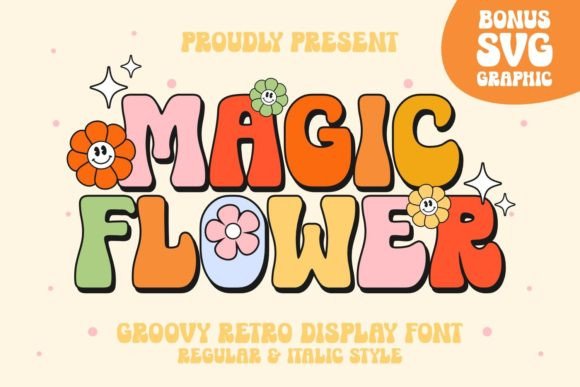
Magic Flower is a retro-inspired display font that brings the spirit of the hippie and groovy era into modern web design. Its whimsical letterforms, with their thick and thin strokes, evoke the psychedelic movement and flower power aesthetic, making it ideal for creative digital projects that need a bold, expressive voice.
Magic Flower for Creative Portfolio Websites and Branding
Magic Flower is an excellent choice for creative portfolios and branding materials where a unique, eye-catching typeface can set the tone. As a display font, it shines in headers, logos, and visual accents, adding a nostalgic yet fresh vibe to any project. Web designers looking to create a strong brand identity can use Magic Flower to establish a distinct personality that resonates with audiences who appreciate vintage aesthetics.
When used in portfolio websites, Magic Flower helps define a brand’s visual language, especially for artists, designers, and content creators who want to stand out. Its playful yet structured form makes it suitable for both digital and print applications, ensuring consistency across all touchpoints.
Magic Flower for Online Store Banners and Product Pages
For online stores and e-commerce platforms, Magic Flower adds a sense of fun and nostalgia that can enhance user engagement. It works well in banners, product titles, and promotional headlines, helping to draw attention without overwhelming the reader. As a display font, it’s best suited for short, impactful text rather than long paragraphs, ensuring readability while maintaining visual interest.
Designers should pair Magic Flower with clean, readable fonts for body copy and product descriptions. This contrast helps guide the user’s eye through the page, creating a balanced layout that supports both aesthetics and usability. For example, using a sans serif font like Open Sans or Lato alongside Magic Flower can create a modern, professional feel while keeping the brand’s retro charm intact.
Magic Flower for Social Media Graphics and Digital Ads
Magic Flower is a powerful tool for social media graphics and digital ads, where visual impact is key. Its bold, stylized letters make it ideal for headlines, call-to-action buttons, and promotional text that needs to grab attention quickly. Whether designing for Instagram, Facebook, or LinkedIn, Magic Flower can help convey a message with style and personality.
When used in digital ads, Magic Flower can reinforce a brand’s identity and create a memorable impression. However, designers should be mindful of legibility on mobile screens and ensure that the font remains clear even at smaller sizes. Testing the font in different contexts and screen sizes is essential to maintain effectiveness across platforms.
Magic Flower for Blog Headers and Content Sections
Blogs and content sites can benefit from Magic Flower when used in headers, section titles, and feature boxes. Its whimsical style adds a creative flair that complements editorial designs, especially for topics related to lifestyle, art, or culture. As a display font, it can break up dense text and add visual rhythm to a page, improving overall readability and user experience.
While Magic Flower is not ideal for body text, it can serve as a strong visual anchor in content sections. Pairing it with a simple, neutral font ensures that the main message remains clear while the header stands out. This approach is particularly effective for blogs focused on creative industries, where the visual presentation plays a key role in engaging readers.
Magic Flower for Coaching and SaaS Landing Pages
Magic Flower can elevate the design of coaching and SaaS landing pages by adding a distinctive, memorable element to the layout. Its retro aesthetic appeals to audiences who value creativity and authenticity, making it a great fit for brands that want to express a unique identity. When used in hero sections or CTA buttons, Magic Flower can create a strong first impression that encourages further engagement.
However, designers should avoid overusing the font and instead focus on strategic placement. Using it sparingly in key areas, such as headlines or subheadings, ensures that it enhances the design without distracting from the core message. For landing pages, pairing Magic Flower with a modern sans serif font like Roboto or Montserrat can create a harmonious balance between style and clarity.
Magic Flower for Course Sales Pages and Educational Platforms
Educational platforms and course sales pages can leverage Magic Flower to create a visually appealing and engaging user experience. Its retro vibe aligns well with creative courses, workshops, and online learning initiatives that aim to inspire and entertain. By using Magic Flower in titles, headings, and promotional elements, designers can create a more dynamic and immersive environment for learners.
When integrating Magic Flower into educational content, it’s important to maintain a clear hierarchy and ensure that the font doesn’t interfere with the readability of instructional material. A well-structured layout that uses Magic Flower for emphasis, while relying on simpler fonts for explanations, can support both visual appeal and practicality.
Magic Flower for Logo Design and Brand Identity
Magic Flower is an excellent choice for logo design, especially for brands that want to communicate a sense of creativity, freedom, and nostalgia. Its stylized letterforms allow for a unique, handcrafted look that can differentiate a brand in a competitive market. As a display font, it offers flexibility in customizing letter shapes and spacing to suit specific brand requirements.
Designers should consider the scalability of Magic Flower when using it for logos, ensuring that it remains recognizable at different sizes and resolutions. Testing the font in various formats, such as black and white, color, and gradient, can help determine its versatility and effectiveness in different branding scenarios.
Magic Flower for Responsive Web Design and Mobile Optimization
When implementing Magic Flower in responsive web design, it’s crucial to test how the font performs on different devices and screen sizes. On mobile screens, the font should remain legible and maintain its visual appeal without becoming too small or distorted. Ensuring that the font scales properly and adapts to varying backgrounds is essential for a seamless user experience.
For dark backgrounds or image overlays, Magic Flower may require adjustments in weight or contrast to ensure visibility. Designers should also consider the file size and performance impact of using Magic Flower as a web font, especially for high-traffic websites where load speed is critical.
Magic Flower for Commercial Use and Licensing
Before using Magic Flower in commercial projects, designers should review the font’s licensing terms to ensure compliance with web design, client projects, online stores, and brand assets. Many premium fonts offer commercial licenses that allow for use on websites, social media, and marketing materials, but it’s important to verify the specific rights associated with the font.
For designers working on client projects, having a clear understanding of font licensing ensures that both the designer and the client are protected. Choosing a font with a flexible license, such as one that allows for multiple domains or extended use, can provide greater freedom and reduce potential legal issues down the line.